The ancient art of Fuzhou bodiless lacquerware, known for its astonishing lightness and intricate craftsmanship, has captivated collectors and art enthusiasts for centuries. At the heart of this tradition lies a closely guarded secret: the hemp cloth body lacquering technique. This delicate process transforms humble materials into objects of breathtaking beauty, embodying the perfect marriage of technical precision and artistic vision.
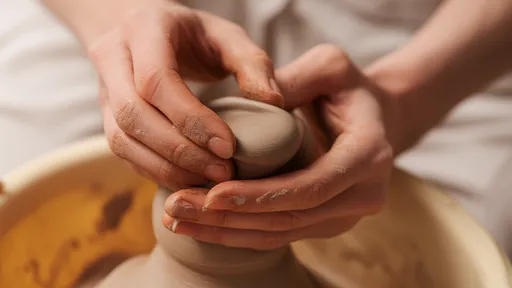
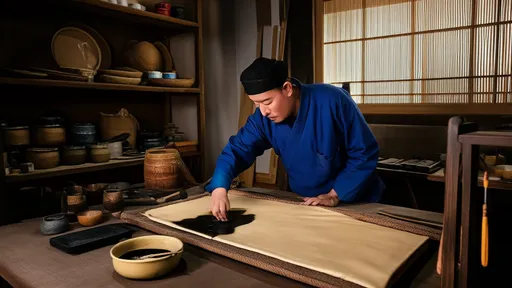
Fuzhou's bodiless lacquerware stands apart from other regional styles due to its unique use of hemp cloth as the foundational material. Unlike wooden or ceramic bases used elsewhere, the hemp cloth provides an extraordinary combination of strength and flexibility. Artisans begin by soaking the hemp in a special mixture of raw lacquer and glutinous rice paste, creating a malleable yet durable surface. The cloth is then meticulously layered over a clay mold, with each stratum carefully smoothed to eliminate air bubbles or imperfections.
The drying process requires particular attention, as the climate of Fuzhou plays a crucial role in the material's transformation. During humid summer months, the lacquer cures slowly, allowing for deeper penetration into the hemp fibers. Winter production yields a different quality altogether, with the cold air causing the lacquer to form a distinctive crystalline structure on the surface. Master craftsmen have passed down through generations the knowledge of how to harness these seasonal variations to create specific visual and textural effects.
What makes the Fuzhou technique truly remarkable is the subsequent removal of the clay core. After dozens of lacquer applications and thorough drying, the original mold is broken away, leaving only the lacquered hemp shell - hence the name "bodiless" lacquerware. This painstaking method results in objects that are simultaneously feather-light and remarkably sturdy, capable of withstanding temperature fluctuations and minor impacts that would damage conventional lacquer pieces.
The decorative phase represents another realm of specialized knowledge. Fuzhou artisans employ an array of sophisticated techniques including mother-of-pearl inlay, gold leaf application, and the famous "dimian" carving method where patterns are incised through multiple colored lacquer layers. Each decorative approach requires adapting to the unique properties of the hemp cloth substrate, which responds differently to tools and pigments than wood or ceramic bases.
Contemporary masters face numerous challenges in preserving this ancient art form. The lengthy apprenticeship required (often spanning a decade or more) discourages many potential practitioners. Additionally, sourcing high-quality hemp and raw lacquer has become increasingly difficult as traditional suppliers disappear. Some workshops have begun experimenting with modern materials as substitutes, but purists argue these compromise the authentic qualities that define genuine Fuzhou bodiless lacquerware.
Recent years have seen growing international interest in this specialized craft. Museums worldwide now seek Fuzhou pieces for their Asian art collections, while conservation scientists study the remarkable durability of these hemp-based artifacts. The local government has implemented protection measures, including designation of living national treasures and subsidies for master-apprentice programs. However, many believe the future of this art depends on finding ways to make production economically viable without sacrificing its centuries-old techniques.
The story of Fuzhou's hemp cloth lacquerware mirrors the broader narrative of China's intangible cultural heritage - a delicate balance between preservation and adaptation. As visitors to Fuzhou's workshops can attest, witnessing the creation of these luminous objects remains a magical experience. The play of light on a finished vase or screen, knowing it emerged from such humble materials through countless hours of skilled labor, speaks to the enduring power of human creativity when wedded to nature's gifts.
By /Aug 11, 2025

By /Aug 11, 2025
By /Aug 11, 2025
By /Aug 11, 2025
By /Aug 11, 2025

By /Aug 11, 2025

By /Aug 11, 2025

By /Aug 11, 2025
By /Aug 11, 2025
By /Aug 11, 2025

By /Aug 11, 2025

By /Aug 11, 2025
By /Aug 11, 2025
By /Aug 11, 2025
By /Aug 11, 2025

By /Aug 11, 2025

By /Aug 11, 2025

By /Aug 11, 2025

By /Aug 11, 2025

By /Aug 11, 2025