In the world of museum and archival management, maintaining optimal environmental conditions is not just a best practice—it's a necessity. Among the various factors that influence the longevity and preservation of cultural artifacts, temperature and humidity control stand out as critical elements. The delicate balance between these two variables can mean the difference between a well-preserved collection and one that deteriorates prematurely. This article delves into the practical aspects of managing temperature and humidity in storage facilities, drawing from real-world experiences and expert insights.
The Science Behind Temperature and Humidity Control
Understanding the relationship between temperature and humidity is fundamental to effective collection management. Relative humidity (RH) refers to the amount of moisture in the air compared to what the air can hold at a specific temperature. As temperature increases, the air's capacity to hold moisture also rises, and vice versa. This interplay means that fluctuations in temperature can directly impact humidity levels, potentially exposing sensitive materials to harmful conditions. For most organic materials, such as paper, textiles, and wood, maintaining a stable RH between 45% and 55% is ideal. Inorganic materials, like metals, may require even lower humidity to prevent corrosion.
Museums and archives often employ sophisticated HVAC systems to regulate these conditions, but technology alone is not enough. Staff must continuously monitor and adjust settings based on seasonal changes, regional climate, and the specific needs of their collections. For instance, a repository in a humid coastal area will face different challenges than one in an arid desert region. The key lies in tailoring solutions to the unique demands of each environment while adhering to established preservation standards.
Common Challenges in Humidity Control
Even with advanced systems in place, institutions frequently encounter obstacles in maintaining consistent humidity levels. One recurring issue is the infiltration of external air, which can introduce unwanted moisture or dryness. Poorly sealed windows, doors, or HVAC ducts often serve as entry points for these disruptive elements. Additionally, high visitor traffic can lead to sudden spikes in humidity as people exhale moisture and carry it on their clothing. Some facilities combat this by creating buffer zones—transitional spaces where visitors can acclimate before entering sensitive storage areas.
Another challenge arises from the collections themselves. Organic materials naturally release or absorb moisture, creating microclimates within storage units. This phenomenon, known as the "breathing" effect, can destabilize surrounding objects if not properly managed. To mitigate this, conservators recommend using silica gel or other buffering agents in enclosed spaces like display cases or storage cabinets. These materials help absorb excess moisture and release it when levels drop, acting as a passive regulatory mechanism.
Practical Solutions from the Field
Beyond theoretical knowledge, successful humidity control often comes down to practical, sometimes low-tech solutions. Many institutions have found that simple measures like proper insulation and vapor barriers can significantly improve stability. For example, lining walls with moisture-resistant materials prevents external humidity from seeping into storage areas. Similarly, using acid-free boxes and tissue paper creates microenvironments that protect individual items from sudden changes.
Some smaller museums with limited budgets have adopted creative approaches, such as utilizing historic building features to their advantage. Thick stone walls, for instance, naturally moderate temperature and humidity swings. Others employ the "stacking" method, where less sensitive items are placed around more vulnerable objects to act as buffers. These low-cost strategies demonstrate that effective preservation doesn't always require expensive equipment—just thoughtful application of basic principles.
The Human Factor in Environmental Management
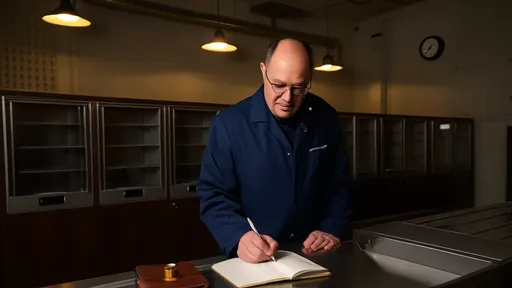
Technology and infrastructure are only part of the equation; trained personnel play an equally vital role. Regular monitoring by staff ensures that systems function correctly and allows for quick response to any deviations. Many institutions maintain detailed logs of temperature and humidity readings, which help identify patterns and anticipate problems before they escalate. This human oversight becomes particularly crucial during equipment failures or power outages, when quick thinking can prevent damage to irreplaceable items.
Training programs for collection care staff often emphasize the importance of understanding local climate patterns and how they affect indoor conditions. For example, knowing when to expect seasonal humidity changes enables proactive adjustments to HVAC settings. Cross-departmental communication is also essential, as exhibitions, loans, and even cleaning schedules can all impact environmental stability. By fostering a culture of shared responsibility for preservation, institutions create an additional layer of protection for their collections.
Emerging Technologies and Future Directions
The field of environmental control continues to evolve with technological advancements. Wireless sensor networks now allow for real-time monitoring of conditions throughout large facilities, providing data that was previously difficult or impossible to collect. Some institutions are experimenting with predictive algorithms that analyze historical data to forecast potential issues before they occur. These innovations promise to make humidity management more precise and less labor-intensive.
At the same time, sustainability concerns are driving research into energy-efficient preservation methods. Passive climate control systems, which rely on architectural design rather than mechanical systems, are gaining attention as eco-friendly alternatives. While these approaches may not suit all collections or climates, they represent an important shift toward greener preservation practices. As the field progresses, the integration of traditional knowledge with cutting-edge technology will likely yield even more effective strategies for safeguarding our cultural heritage.
Ultimately, successful humidity control in collection storage requires a multifaceted approach that combines scientific understanding, practical experience, and ongoing vigilance. There is no one-size-fits-all solution, but rather a set of principles that must be adapted to each unique situation. By sharing knowledge and learning from both successes and failures, preservation professionals continue to refine their methods, ensuring that precious artifacts survive for future generations to study and appreciate.

By /Aug 11, 2025
By /Aug 11, 2025
By /Aug 11, 2025

By /Aug 11, 2025

By /Aug 11, 2025

By /Aug 11, 2025
By /Aug 11, 2025

By /Aug 11, 2025

By /Aug 11, 2025

By /Aug 11, 2025

By /Aug 11, 2025

By /Aug 11, 2025

By /Aug 11, 2025

By /Aug 11, 2025

By /Aug 11, 2025

By /Aug 11, 2025

By /Aug 11, 2025

By /Aug 11, 2025

By /Aug 11, 2025

By /Aug 11, 2025